

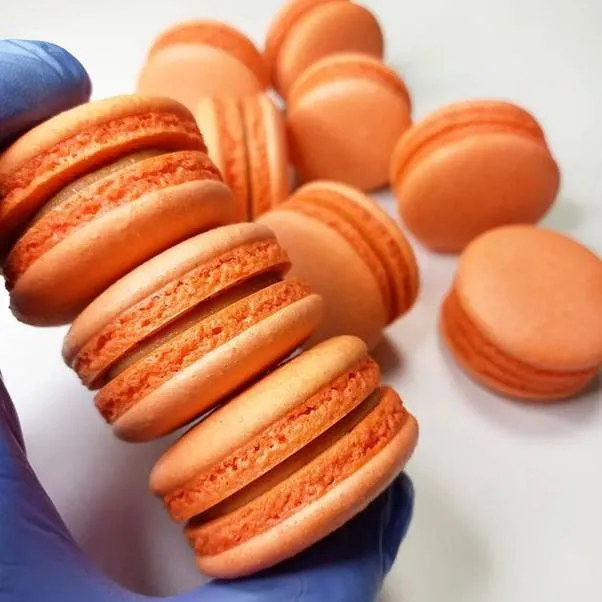
Look at a block of cheddar, and you can guess its flavor before it’s unwrapped. The warm orange suggests sharpness and age, even though milk itself is usually pale. For centuries, cheesemakers have reached for the seeds of a tropical tree to bridge that gap, and today an annatto extract does the job in everything from farmhouse wheels to factory slices. The sections below follow that color through the process, from the vat to the shredding line and into the dry sauce packet.
Why Cheese Needs Help
Milk gets its creamy tone from carotenes in the cow’s diet, so color shifts with season and pasture. Winter milk looks paler than milk from fresh grass. Producers want a block bought in January to match one bought in July, which means adding a steady, predictable pigment. Shoppers also link orange with richness, even when the recipe hasn’t changed. That expectation is hard to fight, so most plants simply adjust color at the vat until every batch lands in the same range.
Two Forms, Two Jobs
The seed coat holds two related pigments, bixin and norbixin. Bixin dissolves in fat, while norbixin dissolves in water, and cheesemakers mostly choose the water-friendly form because it can be stirred into milk before the curd forms. Oil-based versions suit spreads, butter and coatings. A label may say only annatto, so ask your supplier exactly which form they mean and request the matching spec sheet. Two products carrying the same name can behave very differently when they meet a vat full of milk.
What Happens in the Vat
Pigment added to milk doesn’t all end up in the cheese. Norbixin binds to protein in the curd, yet a portion drains away with the whey, and the share varies with recipe, pH and how the curd is handled. Plants adjust dosing by trial, tracking what lands in the finished block. Add too little and the cheese looks pale. Add too much, and the whey carries a strong tint into any product made from it. Careful measurement protects the cheese and its byproducts alike.
Shred, Slice, and Block
Retail cheese comes in many shapes, and each one shows color differently. A block reveals depth, a shredded bag displays countless thin edges, and a slice turns almost translucent. Color that looked right in a big wheel can seem lighter once cut small. Anti-caking agents on shreds add a pale dusting that dilutes the tone further. When developing a new format, judge the shade in that exact format, inside the bag, under shelf lighting, and not in a lab cup.
Sauces, Powders, and Dry Mixes
Boxed macaroni and snack seasonings turn cheese flavor into powder, and the glow has to be added separately. Here, a food color powder blends with salt, milk solids and flavors long before it meets water. Mix in stages so fine particles spread evenly, and keep the blend dry, since humidity causes clumps. Then prepare the finished sauce several ways, on the stove and in the microwave, to confirm the shade holds once a family stirs the packet into a container.
Heat, Melt, and Cooking
Cheese gets heated constantly: pizza, grilled sandwiches, baked pasta. Most annatto-colored cheeses handle that well, which is partly why the pigment became standard. Still, high oven temperatures and long holds on a pizza line can dull color, and fat that separates carries pigment with it. Bake a few test pizzas with your shredded cheese and compare the melted surface against an unheated sample. Reheat leftovers as well, because many consumers judge cheese on the second warming at home rather than the first.
Light, Packaging, and Shelf Life
Cheese in clear film under bright dairy-case lights faces the same fading problem as drinks, only slower. Sliced cheese suffers most because so much surface is exposed. Opaque or printed film helps, and so does limiting how long product sits close to the lamps. Run shelf tests with the real wrap, compare against retained samples stored in the dark, and note when a change first becomes visible. That date, rather than a guess, anchors the shelf-life conversation with retailers and buyers.
Conclusion
Color in cheese is a small decision with a large effect on perception, and it gets made at many points along the line. Knowing which pigment form belongs where, and checking each step in the finished format, keeps batches matching all year. If you’d like samples or help choosing a form for your recipe, get in touch through foodrgb.com and describe your process. Cheesemakers, seasoning blenders and sauce producers all work differently, and the right answer usually appears after a short round of testing.