

Applying essential oils to specific body points can make a real difference in how well they work. Pulse points are areas where blood vessels sit close to the skin surface, creating warmth that helps release aromatic compounds into the air. Pressure points connect to nerve pathways that influence different body systems. Using essential oils for body application at these locations enhances absorption, boosts circulation, and maximises aromatherapy benefits. Before applying any oil, always dilute it with a carrier oil, do a patch test on a small skin area, and avoid the eyes and broken skin.
What Are the Top Pulse Points for Everyday Benefits?
Pulse points offer easy access for daily essential oil use. The warmth from blood flow at these spots helps diffuse the scent while allowing oils to absorb into your skin effectively.
Core Pulse Points to Target
- Wrists: The inner wrist is perfect for quick application and easy scent access throughout the day
- Temples: Ideal for headache relief and mental clarity
- Behind ears: Great for calming blends and subtle fragrance
- Neck: The sides and back of the neck work well for stress relief
- Chest: Apply over the heart area for emotional support and respiratory benefits
- Inner elbows: Effective for oils you want absorbed quickly
Common Uses for These Points
Essential oils for body application at pulse points serve many purposes. Lavender on temples and behind ears promotes relaxation before sleep. Peppermint on wrists boosts alertness during afternoon slumps. Citrus blends on the chest lift mood and support positive emotions. Frankincense on the neck helps with meditation and focus.
What are the Powerful Acupressure-Style Points?
Beyond pulse points, traditional acupressure locations offer deeper therapeutic benefits. These spots connect to energy pathways that practitioners have used for thousands of years.
Key Pressure Point Locations
- Soles of feet: The feet contain reflex points linked to every organ and body system
- LI4 point: Located between the thumb and index finger, this spot helps with headaches and tension
- Between the big and second toes: Known as Liver 3, this point supports stress relief and grounding.
- Base of neck and shoulders: These areas hold tension and respond well to massage with oils
Goals for Each Pressure Point
Applying oils to the soles of the feet provides overall grounding and helps oils absorb without sensitivity issues. The LI4 point between the thumb and index finger is famous for headache and pain relief. The toe point helps release emotional tension and supports liver function. Shoulder and neck base application targets muscle tightness and promotes relaxation.
How to Apply Essential Oils for Maximum Benefit
Proper application technique ensures you get the most from your oils. A few simple steps make the difference between average and excellent results.
Basic Application Method
Start by diluting your essential oil with a carrier oil like jojoba, coconut, or sweet almond. A safe ratio is 2 to 3 drops of essential oil per teaspoon of carrier oil. Apply a small amount to your chosen point using your fingertip or a rollerball applicator. Gently massage the area in circular motions for 30 seconds to activate circulation and improve absorption.
Matching Oils to Points and Times
Different oils work better at certain points and times of day:
- Apply calming oils like lavender and chamomile to temples and neck before bedtime
- Use energising blends with citrus or peppermint on wrists and inner elbows in the morning
- Apply grounding oils like vetiver and cedarwood to the soles of your feet anytime you need stability
- Use respiratory-supporting oils like eucalyptus on the chest during the cold season
Essential oils for body care become more effective when you match the right oil to the right location and situation.
When Should You Be Cautious or Avoid Use?
Essential oils are powerful and require respect. Certain situations call for extra care or complete avoidance to prevent adverse reactions.
Situations Requiring Caution
- Pregnancy: Many oils are not safe during pregnancy, especially in the first trimester
- Epilepsy: Some oils like rosemary and eucalyptus may trigger seizures in sensitive individuals.
- Sensitive skin: Fair or reactive skin needs higher dilution ratios
- Children: Kids require much lower concentrations, and some oils should be avoided entirely
- Medical conditions: People with asthma, heart conditions, or hormone-sensitive conditions should consult healthcare providers
Oils to Avoid on Delicate Areas
Avoid applying cinnamon, oregano, clove, and thyme to sensitive areas like the face and inner arms. Never use citrus oils before sun exposure, as they cause photosensitivity. If you have chronic health issues, check with a qualified aromatherapist before starting any routine.
Takeaway
Applying essential oils to pulse and pressure points transforms a simple wellness routine into targeted therapy. Understanding which points serve which purposes helps you customise your approach for stress relief, better sleep, improved focus, or physical comfort. Proper dilution, careful application, and awareness of safety considerations ensure you enjoy all the benefits without unwanted reactions.
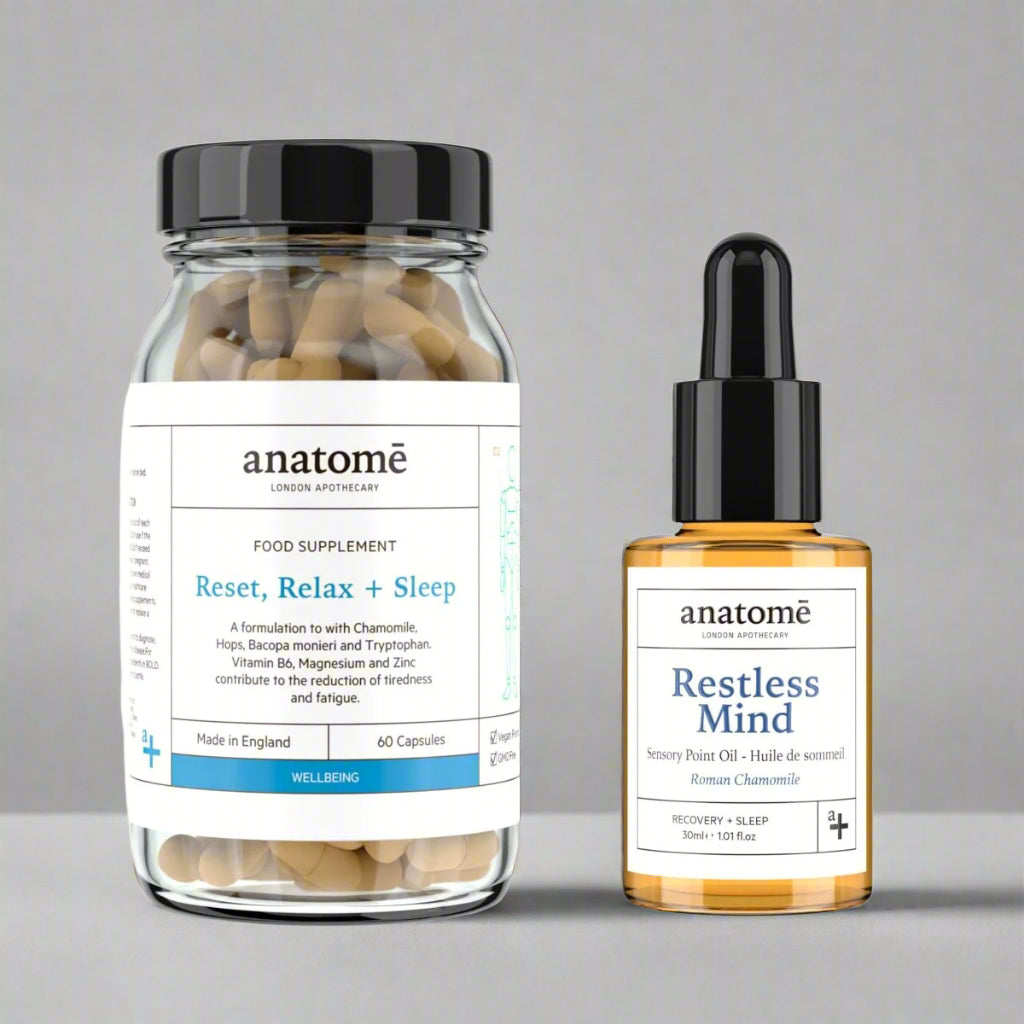
For those seeking extra support, thoughtfully crafted blends can make application easier and more reliable. anatomē creates essential oil formulations designed for safe and effective use at pulse points and pressure locations. With carefully balanced carrier oils and pure botanical extracts, these blends complement your wellness routine seamlessly, whether your goal is relaxation, energy, or emotional balance.